From Flat to Clickable: Why Smart Brands Are Leaving PDF Catalogs in the Dust
The PDF Problem Nobody Wanted to Admit
Let's be honest: the PDF catalog was always a compromise. It was easier than printing thousands of pages and mailing them out, sure. But it was never really good. Customers had to download it, zoom in on tiny product images, and somehow remember which page they were on when they closed it by accident. For businesses, tracking whether anyone actually looked at it was basically guesswork.
For years, most brands just accepted this as the cost of doing business digitally. Then customer expectations quietly shifted — and suddenly, that static file started feeling less like a convenience and more like a liability.
Today, shoppers are used to scrolling through beautifully organized product pages, tapping to zoom, filtering by color or size, and clicking straight through to buy. Handing them a PDF after that experience is a little like giving someone a printed MapQuest page after they've been using Google Maps for a decade. Technically functional. Kind of frustrating.
What "Interactive" Actually Means (It's Not as Complicated as It Sounds)
When people hear "interactive digital catalog," they sometimes picture something that requires a development team and a six-figure budget. That's not what we're talking about here.
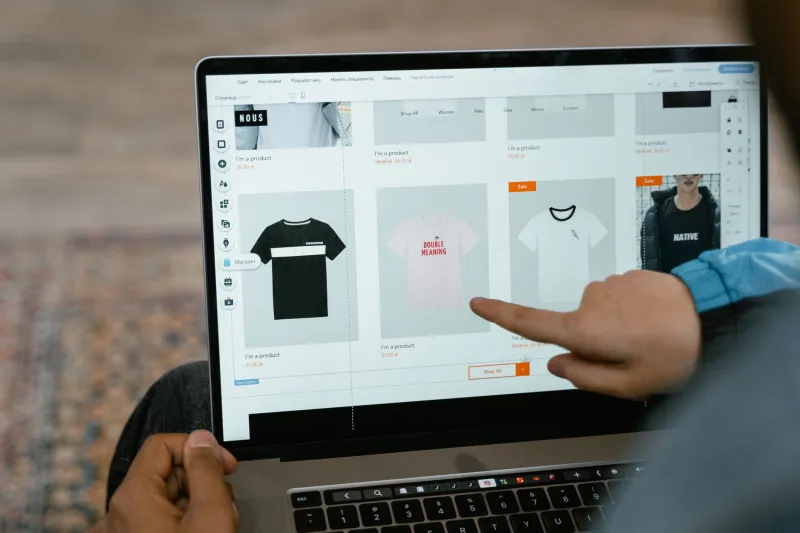
At its core, an interactive product catalog just means your customers can do things with it. They can click on a product and get more details. They can browse by category without scrolling through everything. They can share a specific item with a friend or colleague. They can view it seamlessly on their phone without pinching and squinting.
For a small boutique in Austin or a wholesale supplier in Ohio, that kind of experience is now completely within reach. Platforms built specifically for digital catalog creation — like MyCatalog — have made it possible for businesses without dedicated tech teams to build something that genuinely impresses customers. The gap between what big brands can do and what small businesses can pull off has narrowed dramatically.
Why Customers Stay Longer (and Buy More)
Here's where things get interesting from a business standpoint. The jump from static to interactive isn't just an aesthetic upgrade — it has a measurable impact on how customers behave.
When a catalog is easy to navigate, people explore more of it. When products are organized logically and visually, customers discover items they wouldn't have thought to search for. When clicking on a product leads somewhere useful — a detail page, a contact form, a direct purchase option — the path from browsing to buying gets a whole lot shorter.
Retail consultants have been pointing to this pattern for a while now: friction is the enemy of conversion. Every extra step a customer has to take — downloading a file, hunting for a phone number, trying to figure out if a product comes in their preferred size — is a moment where they might just give up and go somewhere else. Reducing that friction, even in small ways, adds up.
Some businesses report that switching to an interactive catalog experience has increased the average time customers spend engaging with their products by a significant margin. More time browsing generally means more items considered, and more items considered tends to mean larger orders.
Real Businesses, Real Results
Take the example of a mid-sized home goods wholesaler that had been sending PDF lookbooks to retail buyers for years. The files were polished and professionally designed, but the sales team had no way of knowing which buyers were actually opening them, which products were generating interest, or whether the catalogs were being shared internally or just sitting in inboxes.
After moving to an interactive digital catalog, they gained visibility into engagement data for the first time. They could see which product categories were getting the most attention and which pages buyers were spending time on. That information fed directly back into their merchandising decisions — and into how their sales reps followed up with accounts.
Or consider a small artisan food brand selling specialty items to gift shops across the Pacific Northwest. Their old PDF catalog was a pain to update every season, so it often went out with outdated pricing or products that were no longer available. Moving to a digital platform meant they could update inventory and pricing in real time, which saved them from awkward conversations and the occasional embarrassing backorder situation.
These aren't outlier stories. Across industries — from fashion and home décor to industrial supplies and specialty food — businesses that make the switch tend to find that the benefits compound over time.
Making the Transition Without Losing Your Mind
If you're still working with PDFs, the good news is that switching doesn't require starting from scratch. Most of the hard work — product photography, descriptions, pricing — is already done. What changes is how that content gets organized and presented.
A few things worth thinking about as you plan the transition:
Start with your best-selling categories. You don't have to migrate your entire catalog at once. Building out your most popular product lines first lets you see results quickly and work out any kinks before rolling out everything else.
Think about how customers actually browse. This is a chance to reconsider your product organization. Are your categories intuitive? Would a first-time visitor understand how to find what they're looking for? An interactive format rewards good organization in ways a PDF never could.
Make sharing easy. One of the underrated advantages of a digital catalog is that customers can share specific products or pages directly. Build that into your strategy — make it simple for buyers to forward a product link to a colleague or bookmark a collection for later.
Don't skip mobile. A huge percentage of product browsing happens on phones, especially for B2C brands. Whatever platform you use, verify that the experience holds up on a small screen before you start sending it to customers.
The Catalog Isn't Dead — It Just Got Better
There's something kind of poetic about the catalog making a comeback in digital form. For decades, a well-designed catalog was one of the most powerful sales tools a brand could have. It told a story, showcased products in context, and gave customers something to return to again and again.
The PDF tried to carry that tradition into the digital age but never quite pulled it off. Interactive catalogs are finishing what the PDF started — preserving the browsing experience customers actually enjoy while adding the speed, flexibility, and insight that modern businesses need.
The brands figuring this out right now aren't necessarily the biggest or the best-funded. They're just the ones willing to meet customers where they are — and give them something worth clicking on.